
Sound is one of the strongest memory triggers in gaming, and studies in game design show that players often recall music and ambient noise more clearly than visuals years later. A single chord, a town theme, or the echo of a dungeon can pull someone back into a world they have not visited in decades. Yet audio nostalgia does not survive on memory alone. It needs reasons to be revisited, replayed, and heard again.
This is where player-driven markets quietly shape cultural memory. Ongoing trade around Diablo 2 items keeps players logging in, opening menus, and moving through familiar spaces. Every trade session brings back the clink of gold, the low hum of towns, and the tense silence of dark areas before combat. Unlike a one-time replay, trading creates routine. Routine keeps the soundscape alive.
Why Audio Fades When Games Go Quiet
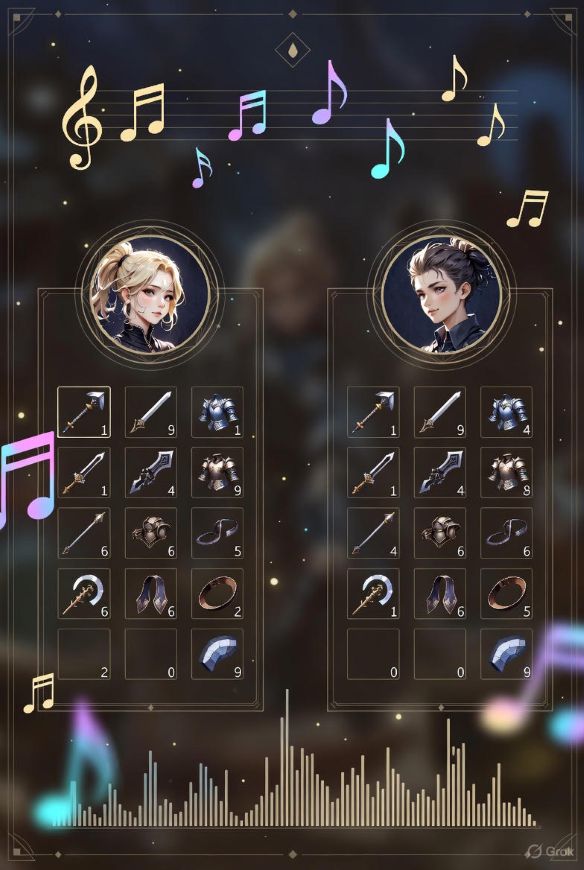 Many classic games slip into silence over time. Servers empty, communities move on, and the soundtracks that once filled bedrooms fade into personal playlists. When interaction stops, audio becomes static nostalgia. It exists as a memory, not a lived experience. Single-player replays can help, but they are often brief and private.
Multiplayer trading changes that pattern. Markets give players a reason to return regularly. Logging in is no longer about finishing a story again. It is about checking value, meeting others, and staying active. Each visit reactivates the game’s audio loop. Music plays while browsing inventory. Ambient sounds fill the background during waits. These repeated moments refresh emotional ties.
Markets Create Ongoing Sound Rituals
Trading has its own rhythm. There is preparation, communication, movement, and exchange. Each step is wrapped in sound. The steady background music during inventory checks. The footsteps through familiar zones. The brief combat sounds when farming items. Over time, these sounds become linked to social action rather than solo play.
This matters because audio tied to interaction lasts longer in memory. When players associate a track with a successful trade or a long farming session, the sound gains meaning beyond atmosphere. It becomes part of a shared routine. Markets turn background music into a living element of community life.
YesGamers and the Return of Familiar Echoes
Platforms that support active trading act as bridges between past and present. By making exchanges smooth and reliable, they lower friction. Lower friction means more frequent logins. More logins mean more time spent inside the game’s audio environment.
For many players, browsing Diablo 2 items becomes less about urgency and more about comfort. The sounds heard during these sessions are not rushed. They are absorbed slowly, often while chatting or comparing options. This relaxed pace allows the soundtrack and ambience to sink in again, reinforcing why the game still feels distinct decades later.
Audio Identity as Cultural Preservation
Game audio is part of digital heritage. Music, sound effects, and ambient noise define how a world feels. When markets stay active, they protect that identity without formal preservation efforts. No archive is needed. The game remains playable, audible, and emotionally present.
This form of preservation is organic. Players do not set out to save soundtracks. They simply trade, talk, and play. Yet through that activity, audio remains current. It is heard by new players and re-heard by veterans. Markets ensure that sound is experienced, not stored away.
READ ALSO: Broadcasting Music, Sports, and Gaming – The Ultimate Entertainment Trifecta
Beyond Nostalgia, Toward Continuity
Nostalgia often freezes a game in time. Active markets prevent that freeze. They keep audio evolving through context. A town theme heard while waiting for a trade feels different from one heard during a solo replay. The sound adapts to new social meanings.
This continuity explains why some older games still feel alive. Their audio is not trapped in memory. It plays every day somewhere, tied to real interaction. Trading activity gives sound a present tense.
Conclusion
Player markets do more than move value between accounts. They keep worlds audible. Through repeated engagement around Diablo 2 items, players continue to hear the music, ambience, and effects that define the game’s soul. Trading pixels turns into preserving atmosphere. As long as markets stay active, the sounds of these worlds will keep echoing forward.