


Introduction: The Sound of Smarter Strategy
In today’s digital-first music landscape, success isn’t just about talent or luck—it’s also about data. The music industry is rapidly evolving, and artists, labels, and streaming platforms are turning to competitive intelligence tools to stay ahead of the curve. These tools, once primarily used in corporate and tech spaces, are now key to understanding fan behavior, tracking trends, and navigating the competitive world of music.
What Are Competitive Intelligence Tools in Music?
Competitive intelligence tools gather and analyze public data about competitors, markets, and audience behavior. In music, this means monitoring everything from streaming numbers and social media engagement to tour schedules, playlist placements, and online buzz. Platforms like Chartmetric, Soundcharts, and Songstats are built specifically for the music world, offering real-time insights that help artists and industry professionals make informed moves.
Tracking Trends and Audience Behavior
For artists, managers, and record labels, CI tools provide a bird’s-eye view of the music landscape. Want to know what genres are gaining momentum in Brazil? Or which artist suddenly went viral on TikTok? Tools like Chartmetric help track those trends, so musicians can tailor their releases, marketing, and even collaborations to what’s resonating globally—or locally.
Optimising Streaming and Playlists
With streaming platforms like Spotify and Apple Music dominating how music is consumed, landing on the right playlist can be make-or-break for an artist. Competitive intelligence tools monitor playlist additions, removals, and engagement rates. This data helps artists understand which songs are performing well, why they’re gaining traction, and how to replicate that success.
Understanding the Competition
Independent artists and major labels alike can use CI tools to analyze the strategies of their peers. How often does a competing artist release new content? What marketing platforms are they using? Are they more active on YouTube, Instagram, or TikTok? With tools like Soundcharts, artists can benchmark themselves against others in their genre and adapt their strategies accordingly.
Touring and Live Performance Insights
As live shows bounce back, competitive intelligence tools also help in tour planning. They provide insights into where an artist’s listeners are located, which cities show strong fan engagement, and what venues or festivals are trending. This makes tour scheduling more efficient and cost-effective.
Conclusion: Smarter Moves in a Noisy Market
The music industry is louder and more competitive than ever. By tapping into competitive intelligence tools, artists and industry professionals can fine-tune their strategies, spot new opportunities, and stay in rhythm with audience demands. In a world where every play counts, data might just be the ultimate backstage pass to success.
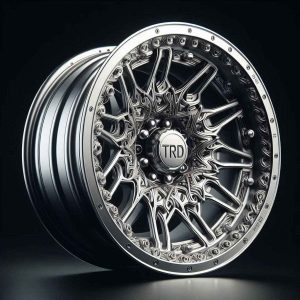 The wheels and rims trd Toyota sellers offer as OEM (original equipment manufacturer) replacement assemblies are made to perfectly fit a TRD vehicle. Unlike aftermarket rims, OEM rims are the strongest matches for TRD auto vehicle specifications. Since they are a perfect fit to a Toyota TRD’s tires and hub bearings, they provide a better ride without need for modifications or purchase of additional accessories the way aftermarket wheels do.
 In doing so, the TRD sector created OEM wheels and rims made from aluminum alloy because the material is lighter and therefore more capable of dissipating heat well. Moreover, aluminum OEM wheels and rims offer enough rigidity in supporting the cornering force of the tires in every turn they make. The cornering force prevents the centrifugal force from driving the vehicle off course. Reference to centrifugal force denotes the power that makes a circling object veer away from the center of the circle.